

Introduction
Starting a blog in 2026 is easier than ever—but growing it from 0 visitors to 10,000 requires a strategic approach. Many beginners fail because they either focus too much on writing content or rely solely on social media for traffic.
The truth is that traffic growth is a combination of SEO, content quality, promotion, and audience engagement. In this guide, we’ll break down a step-by-step approach with real examples and case studies to help you grow your new blog effectively.
Step 1: Choose the Right Niche

Choosing the right niche is the foundation of blog growth. Picking a niche you love is important, but combining passion, monetization potential, and low competition is key.
Example:
- Case Study: Jane, a beginner blogger, wanted to start a lifestyle blog. She realized the lifestyle niche was too broad and competitive. Instead, she narrowed down to “sustainable home decor for millennials.” Within 3 months, her blog started ranking for niche keywords like “eco-friendly wall decor” and “sustainable furniture online.”
Pro Tip: Use tools like Google Trends or Ubersuggest to find niches with traffic potential.
Step 2: Set Up Your Blog Properly

Before publishing content, a professional setup ensures better user experience and SEO performance.
- Domain & Hosting: Choose reliable hosting (SiteGround, Bluehost, Cloudways).
- WordPress Theme: Lightweight, mobile-friendly themes like Astra or GeneratePress.
- Essential Plugins:
- SEO: Yoast / RankMath
- Caching: WP Rocket
- Security: Wordfence
- Analytics: Google Analytics / MonsterInsights
Example:
- Mini Case Study: Alex set up his blog on WordPress with Astra theme and Yoast SEO. Within the first month, the blog loaded under 2 seconds on mobile, which helped it rank faster for long-tail keywords.
Step 3: Perform Keyword Research
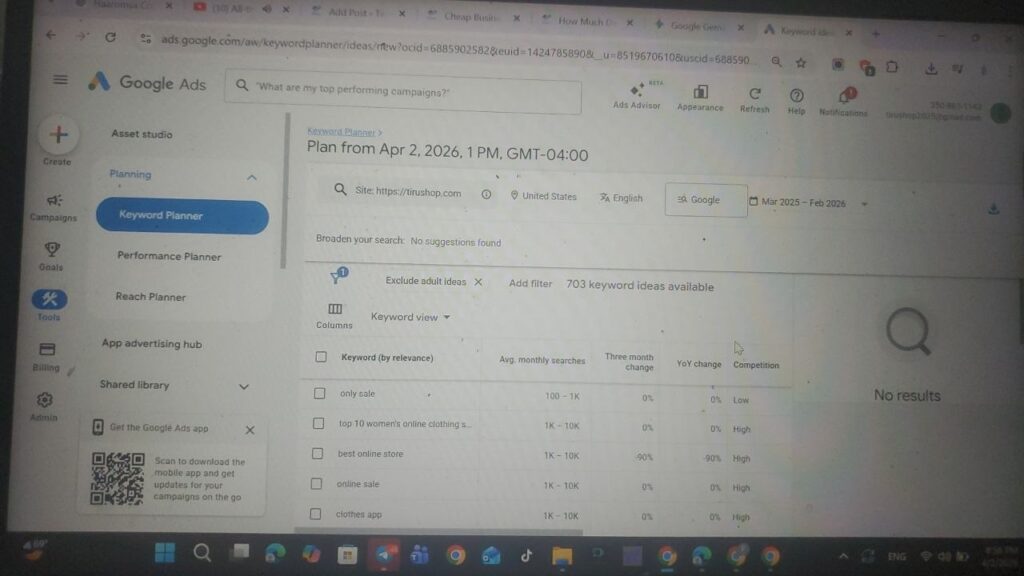
Keyword research helps you understand what your audience is searching for. Focusing on long-tail keywords increases your chances of ranking quickly.
Step-by-Step Example:
- Open Ubersuggest.
- Search for your main topic: “sustainable home decor.”
- Filter by long-tail keywords with low competition.
- Make a list of 10–15 blog post ideas based on search volume.
Case Study: Jane targeted keywords like:
- “eco-friendly wall art online”
- “sustainable living room furniture”
Within 2 months, her posts ranked in top 5 on Google for several low-competition keywords.
Step 4: Create High-Quality, SEO-Friendly Content for grow a new blog
Content is the heart of your blog.
Tips:
- Long-form Content: 2000–3000+ words for cornerstone posts.
- Headings: Use H1, H2, H3 for readability.
- Internal Linking: Link to related posts.
- Images: Include screenshots, infographics, charts.
Example Post Structure of grow a new blog:
- Introduction: Hook your readers with the value they will get.
- Main Content: Break down into numbered steps or tips.
- Case Studies / Examples: Show real-life applications.
- Conclusion / CTA: Encourage comments, shares, or newsletter signup.
Case Study: Jane added a chart showing her blog traffic growth from 0 to 2000 in 3 months. Readers loved the visual, increasing shares on Pinterest.

Step 5: Publish Consistently grow a new blog
Consistency builds trust with Google and your readers.
- Recommended: 1–2 posts per week for new blogs.
- Stick to a content calendar.
Example:
- Week 1: Keyword research & outline 2 posts
- Week 2: Publish 1 post, promote on social media
- Week 3: Publish another post, monitor analytics
Case Study: Alex grew from 0 to 500 visitors in one month by publishing 2 high-quality posts per week consistently.
Step 6: Promote to grow a new blog
Organic Promotion
- SEO Optimization: On-page SEO, meta tags, alt text, keyword placement.
- Guest Posting: Write for related blogs to get backlinks.
- Social Media: Share posts on Facebook, LinkedIn, Pinterest, Instagram.
Example: Jane shared her posts on Pinterest boards for eco-friendly living. Within 1 month, Pinterest referrals brought 800 new visitors.
Paid Promotion (Optional) of grow a new blog
- Facebook Ads or Google Ads for your best-performing posts.
- Boost pins on Pinterest for targeted audience reach.

Step 7: Build an Email List
Email traffic converts better than social media traffic.
- Offer free lead magnets like a checklist or e-book.
- Use platforms like MailerLite, ConvertKit, or Mailchimp.
Case Study: Jane offered a free “Eco-Friendly Home Decor Checklist.” Within 2 months, she gained 500 subscribers, sending weekly tips that brought repeat traffic to her blog.

Step 8: Engage With Your Audience
- Respond to comments promptly.
- Ask readers for feedback.
- Create polls or surveys to understand preferences.
Example: Alex ran a small survey asking which blog topics readers wanted next. This increased engagement by 30% and gave new post ideas.
Step 9: Monitor Analytics and Adjust
- Track traffic sources, bounce rate, and top-performing posts.
- Optimize underperforming posts with updated content, better keywords, and internal links.

Step 10: Monetize Strategically
Once your blog gains traction:
- Google AdSense: Place ads where they don’t disrupt user experience.
- Affiliate Marketing: Promote niche-related products.
- Sponsored Posts & Products: Collaborate with brands.
- Digital Products: Sell e-books, courses, or templates.
Case Study: Jane added AdSense ads after 5,000 visitors/month. Within 2 months, she earned $120/month passively while continuing to grow her blog.
Step 11: Avoid Common Blogging Mistakes
- Don’t chase spammy SEO shortcuts.
- Don’t ignore mobile optimization.
- Avoid posting low-quality content frequently.
- Be patient—traffic growth takes time.
Step 12: Patience and Persistence
- Growing from 0 to 10,000 visitors often takes 3–6 months of consistent effort.
- Focus on high-quality content, promotion, and engagement.
Read: Akkamitti Website Xiqqoo Irra AdSense Galii Guddaa Argachuun Danda’ama?
Read: How to Get 10,000 Visits to Your Blog in One Day with No Platform