

Complete Step-by-Step Guide to Building a Successful Blog in 2026
Introduction
Starting a blog is one of the best ways to build an online presence, share knowledge, and create long-term income online. In How to start a profitable blog for beginners blogging is still growing because millions of people search the internet every day for information, solutions, product reviews, tutorials, and entertainment. Businesses, creators, and entrepreneurs now use blogs not only to share ideas but also to generate traffic, build audiences, and make money online.
Many beginners think blogging is already too competitive or that it requires advanced technical skills. The truth is that blogging is still a great opportunity for people who are willing to learn and stay consistent. Successful blogs are built slowly over time through quality content, smart SEO strategies, and audience trust.
A profitable blog can generate income from:
- Advertising
- Affiliate marketing
- Sponsored posts
- Digital products
- Online services
- Email marketing
However, many beginners fail because they start without a clear plan. Some choose the wrong niche, while others focus too much on quick money instead of creating valuable content.
The good news is that blogging becomes much easier when you follow a step-by-step process.
In this complete beginner-friendly guide, you will learn:
- What blogging really is
- How to choose a profitable niche
- How to start a WordPress blog
- SEO basics for bloggers
- Ways to monetize your blog
- Common beginner mistakes
- Tips for growing blog traffic
By the end of this guide, you will understand how to build a profitable blog from scratch in 2026.
What Is a Blog?
A blog is a website where people regularly publish articles, guides, tutorials, news, opinions, or helpful information online.
Blogs can focus on many topics such as:
- Technology
- Business
- Forex trading
- Health
- Travel
- Fashion
- Digital marketing
- AI tools
- Personal finance
People start blogs for different reasons:
- Sharing knowledge
- Building a personal brand
- Growing businesses
- Generating passive income
- Helping audiences solve problems
Today, blogs are used by:
- Individuals
- Companies
- Freelancers
- Online stores
- Content creators
Blogging has become one of the most flexible online business models available.
Why Blogging Is Still Profitable in 2026
Many beginners ask:
👉 “Is blogging still profitable?”
The answer is yes.
People continue using search engines daily to find answers and information online. Businesses also spend billions of dollars every year on digital advertising, affiliate programs, and online marketing.
Blogs remain profitable because they can generate:
- Organic traffic from search engines
- Advertising revenue
- Affiliate commissions
- Product sales
Successful blogs continue earning money even while the owner is offline.

However, blogging requires patience and consistency.
Step 1: Choose the Right Blog Niche
Choosing the right niche is one of the most important blogging decisions.
A niche is the main topic your blog focuses on.
Popular blogging niches include:
- Technology
- Online business
- AI tools
- Finance
- Fitness
- Travel
- Digital marketing
- Food recipes
- Personal development
A good niche should have:
- Audience demand
- Long-term interest
- Monetization opportunities
Beginners should avoid choosing topics they completely dislike because blogging requires long-term consistency.
How to Find a Profitable Blogging Niche
Profitable niches usually solve problems or help people improve something in their lives.
For example:
- Finance blogs help people manage money
- Fitness blogs help people stay healthy
- SEO blogs help websites grow traffic
Good niche ideas often come from:
- Personal interests
- Skills
- Experience
- Market demand
The best niches combine:
- Passion
- Audience interest
- Income potential
Step 2: Choose a Blogging Platform
Most professional bloggers use:
- WordPress
because it is flexible, beginner-friendly, and SEO-friendly.
WordPress powers millions of websites worldwide.
Benefits include:
- Easy customization
- SEO plugins
- Thousands of themes
- Strong blogging tools
Many hosting companies provide one-click WordPress installation, making setup simple even for beginners.
Step 3: Buy Hosting and Domain Name
A domain name is your website address.
Examples:
- yourblog.com
- example.net
Hosting stores your website files online.
Popular hosting companies include:
- Hostinger
- Bluehost
- SiteGround
Beginners should choose:
- Reliable hosting
- Fast website speed
- Good customer support
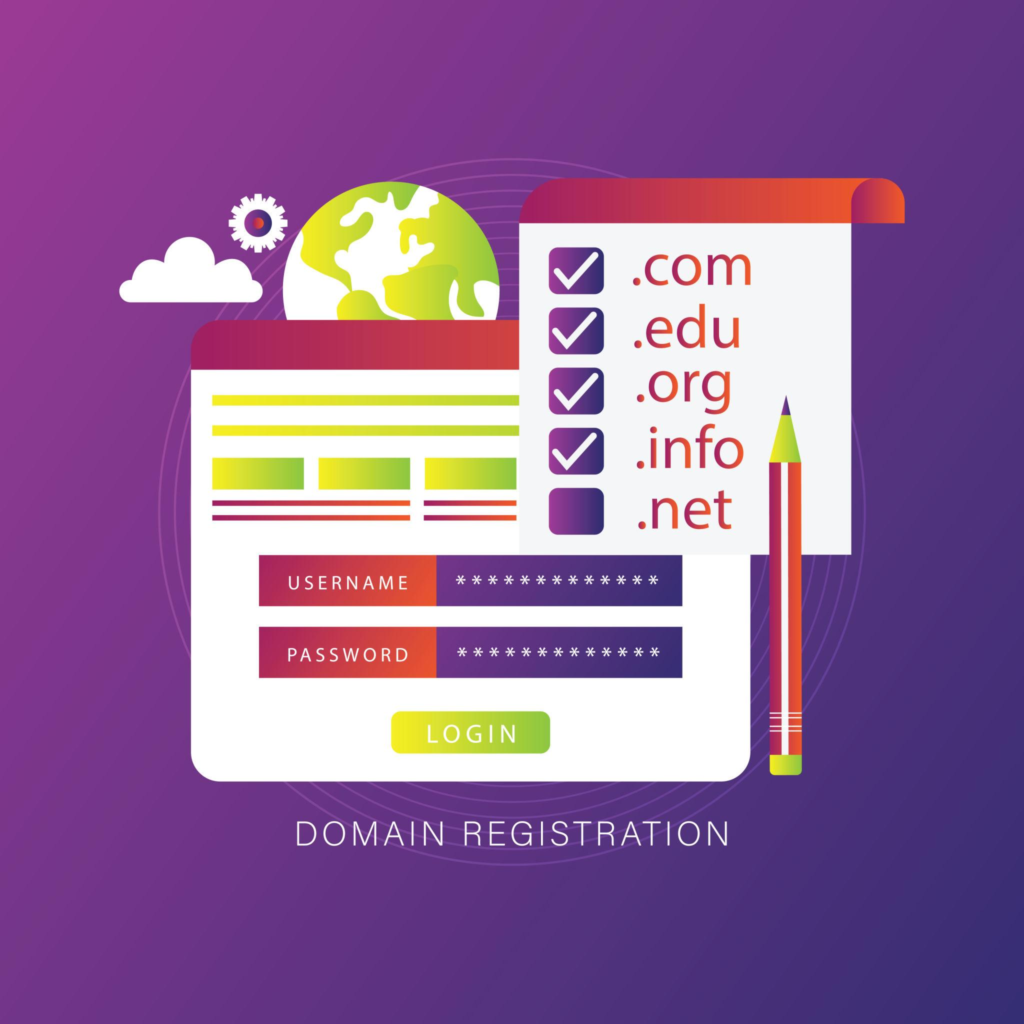
To purchase a domain in Ethiopia contact a yegara.com
A simple and memorable domain name is usually best.
Read: Swiss Church Aid (HEKS/EPER) Announces New Job Vacancies in Ethiopia 2026
Step 4: Create High-Quality Content
Content is the foundation of successful blogging.
Good blog posts should:
- Solve problems
- Answer questions
- Be easy to read
- Provide useful information
Beginners should focus on:
- Clear writing
- Helpful tutorials
- Structured headings
- Simple language
Long helpful articles often perform better in search engines.
Readers appreciate:
- Real examples
- Practical advice
- Easy explanations
Consistency matters more than perfection.
Step 5: Learn SEO Basics
Search Engine Optimization helps blogs rank higher on search engines like Google.
SEO is extremely important because organic traffic can generate visitors consistently for years.
Important SEO basics include:
- Keyword research
- On-page optimization
- Internal linking
- Fast website speed
- Mobile-friendly design
Good SEO helps blogs receive:
- More traffic
- Better rankings
- Higher visibility
SEO takes time, but it becomes very powerful long term.
Step 6: After Read How to start a profitable blog for beginners And Create Promote Your Blog on Social Media
Social media helps bloggers reach larger audiences.
Popular platforms include:
- YouTube
Sharing blog content regularly can:
- Increase traffic
- Build audiences
- Improve brand awareness
However, bloggers should avoid spammy promotion.
Helpful content builds trust more effectively.
Step 7: Monetize Your Blog
There are many ways to make money from blogging.
Popular monetization methods include:
- Google AdSense
- Affiliate marketing
- Sponsored posts
- Selling digital products
- Online courses
- Freelance services
Many beginners start with:
- Advertising
- Affiliate marketing
because they are easier to set up.
Over time, blogs can generate multiple income streams.
Step 8: Build an Email List
An email list helps bloggers connect directly with readers.
Email marketing allows bloggers to:
- Share new articles
- Promote products
- Build audience loyalty
Unlike social media, email lists are owned directly by the blogger.
This makes email marketing very valuable long term.
Step 9: Stay Consistent and Patient
One of the biggest blogging mistakes is quitting too early.
Many successful blogs take:
- Months
- Sometimes years
to grow significantly.
Blogging success usually comes from:
- Consistency
- Patience
- Continuous learning

Publishing helpful content regularly builds long-term trust and authority.
Common Beginner Blogging Mistakes
❌ Choosing the Wrong Niche With How to start a profitable blog for beginners
Some beginners choose niches only because they appear profitable.
Without interest in the topic, consistency becomes difficult.
❌ Focusing Only on Money
Blogs that focus only on profits often ignore audience value.
Helpful content builds stronger long-term success.
❌ Ignoring SEO
Without SEO, blogs may struggle to receive organic traffic.
SEO is one of the most important blogging skills.
❌ Publishing Low-Quality Content
Thin or copied content performs poorly on search engines and may hurt AdSense approval chances.
Best Blogging Tools for Beginners
Helpful blogging tools include:
- WordPress
- Canva
- Google Analytics
- Google Search Console
These tools help bloggers:
- Improve content
- Track traffic
- Design visuals
- Monitor SEO performance
Future of Blogging in 2026 and Beyond With Future of Blogging in 2026 and Beyond With
Blogging continues evolving because of:
- AI technology
- Voice search
- Video content
- Mobile browsing
However, high-quality helpful content still remains extremely valuable.
Blogs that focus on:
- User experience
- SEO
- Trust
- Helpful solutions
will likely continue growing successfully.
Read: How to Make Money With Digital Marketing

Conclusion Of How to start a profitable blog for beginners
Starting a profitable blog in 2026 is still a realistic opportunity for beginners willing to learn and stay consistent.
Successful blogging is not about:
- Quick shortcuts
- Viral tricks
- Overnight success
Instead, it depends on:
- Valuable content
- SEO optimization
- Patience
- Audience trust
A blog can eventually become:
- A business
- A passive income source
- A personal brand
- A long-term online asset
The most important step is simply starting and improving gradually over time.